When renovating or building a home, many Zimbabweans focus on tiles, paint and kitchen finishes—but often ignore the ceiling. Yet a ceiling is one of the most important interior features because it affects sound, lighting, temperature and the overall class of a space. Two of the most common ceiling materials used locally are PVC ceilings and gypsum ceilings. Both are great options, but they serve different needs, styles and budgets. This guide breaks down the differences to help you choose what works best for your home, office or shop.
What Are PVC and Gypsum Ceilings?
PVC Ceilings
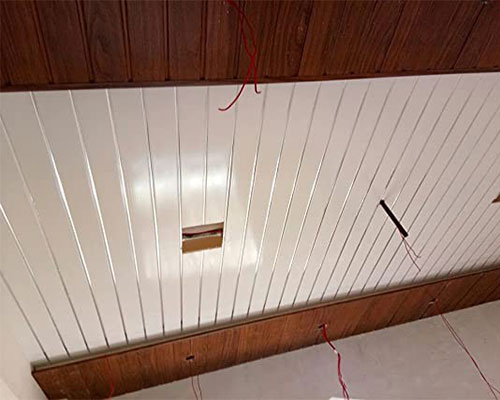
PVC (Polyvinyl Chloride) ceilings are made from lightweight plastic boards designed to interlock. They come in different colours, patterns and lengths—making them fast and easy to install. They are very popular in Zimbabwe today for modern homes and affordable renovations.
Gypsum Ceilings
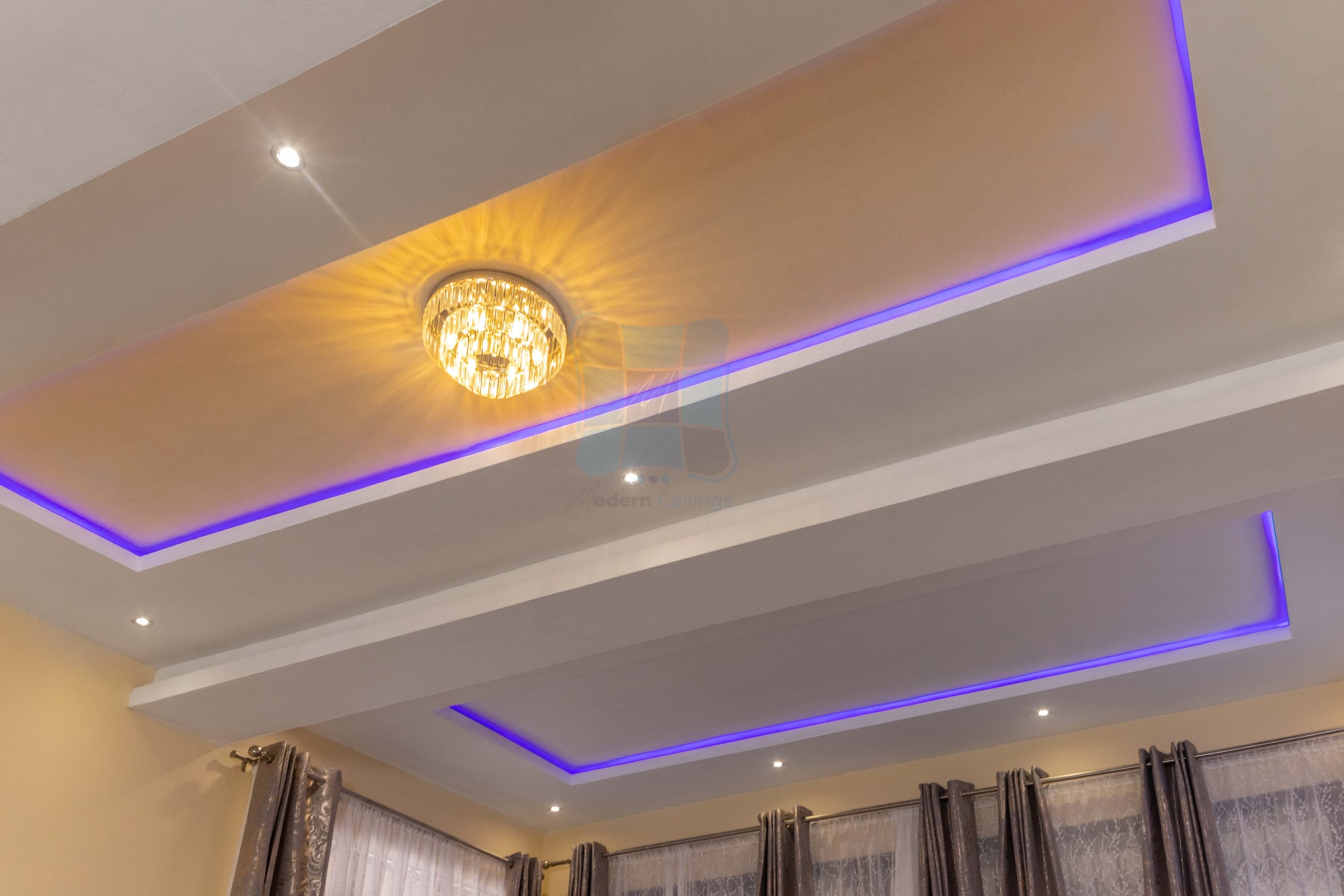
Gypsum ceilings are made from plasterboard sheets reinforced with a gypsum core. They are installed on a metal frame and finished with smooth joints. Gypsum is used for high-end interior design, bulkheads and customised lighting effects.
Price Comparison – Which One Is More Affordable?
For many homeowners in Zimbabwe, price matters. Generally:
| Feature | PVC Ceilings | Gypsum Ceilings |
|---|---|---|
| Material Price | Cheaper | Slightly higher |
| Labour Cost | Low | Higher |
| Maintenance Cost | Very low | Medium |
| Best for Budget? | ✅ Yes | ❌ No |
PVC ceilings are cheaper because they require less labour and no plastering or painting. Gypsum costs slightly more but offers a premium finish ideal for modern luxury interiors.
Durability and Maintenance
| Feature | PVC | Gypsum |
|---|---|---|
| Lifespan | 15–25 years | 10–20 years |
| Water Resistance | 100% waterproof | Can get damaged by water |
| Termite Resistance | Yes | No |
| Cleaning | Easy, wipe with cloth | Needs repainting over time |
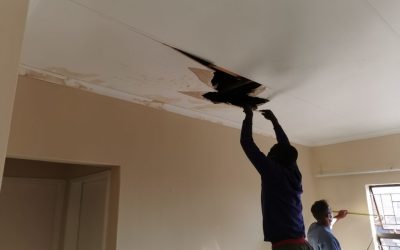
PVC ceilings are fully waterproof, making them ideal for Zimbabwean homes where roof leaks during rainy season are common. Gypsum can absorb water, crack or sag when exposed to moisture—so it’s not recommended for bathrooms, kitchens or houses with old roofs.
Design and Appearance
If your goal is beauty and class, both options can work—depending on your taste.
PVC Ceilings
- Available in wood finishes, marble patterns and plain colours
- Modern and neat look
- Limited design shapes
- Best for simple and affordable finishes
Gypsum Ceilings
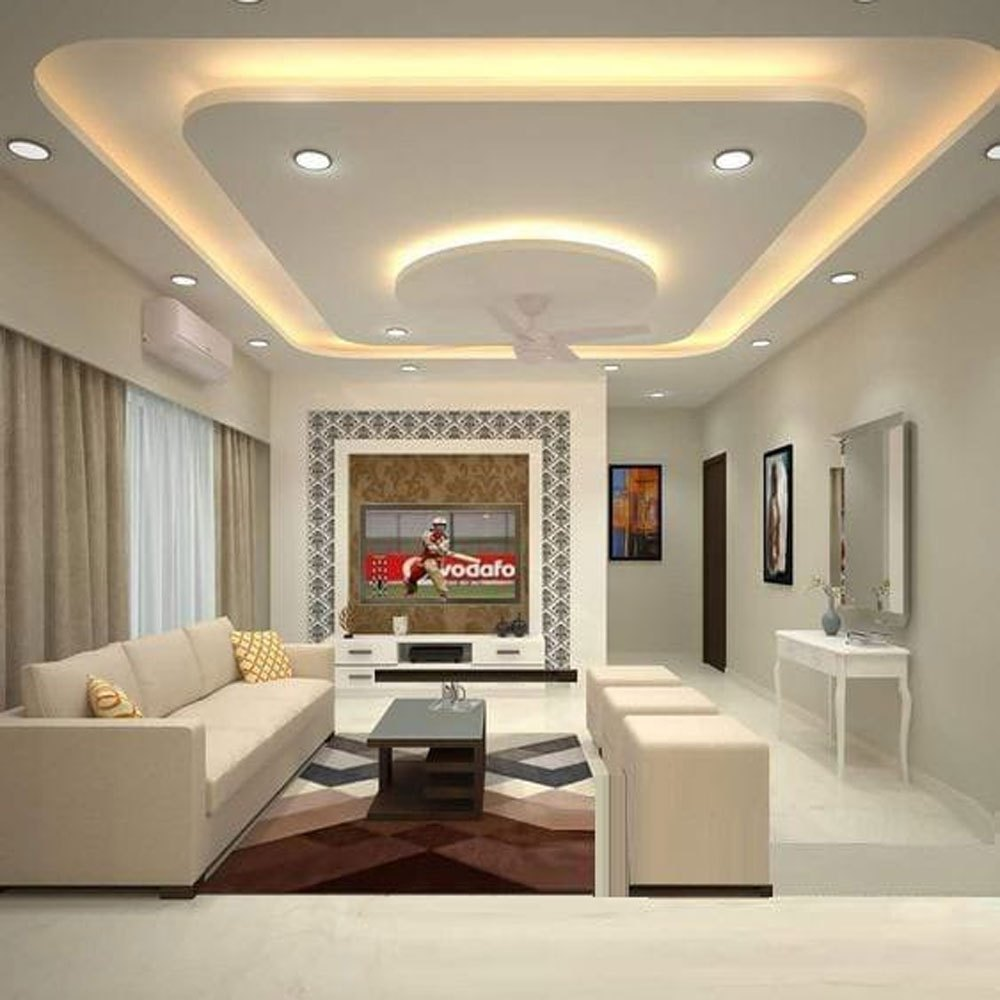
- Smooth, luxurious finish
- Can be shaped into beautiful bulkheads
- Supports recessed lighting and LED designs
- Best for lounges, offices, hotels and prestige homes
Installation Time
PVC ceilings are faster to install. Most standard rooms take just one day. Gypsum ceilings take 2–5 days depending on the complexity of the design because they require plastering, sanding and painting.
Which One Is Better for You?
| Situation | Best Choice |
|---|---|
| Tight budget | PVC |
| Bathroom or kitchen | PVC |
| Luxury finish | Gypsum |
| LED light designs | Gypsum |
| Fast installation | PVC |
| Waterproof requirement | PVC |
| Commercial space | PVC or Gypsum |
| Modern living room | Gypsum |
Pros and Cons Summary
✅ PVC Pros
- Affordable
- Waterproof
- Low maintenance
- Fast installation
- Termite resistant
- Ideal for rentals & renovations
⚠️ PVC Cons
- Limited design flexibility
- Can look plain without lighting features
✅ Gypsum Pros
- Elegant and premium look
- Custom bulkheads
- Great with lighting effects
- Best for interior decor
⚠️ Gypsum Cons
- Not waterproof
- Needs painting
- Can crack if installed poorly
Final Verdict
If you want beauty on a budget and durability, go with PVC ceilings. If you want luxury interior design that stands out, choose gypsum ceilings. Many Zimbabweans even combine both—PVC in bathrooms and kitchens, gypsum in lounges and dining rooms.
At the end of the day, the best ceiling is one that fits your space, your budget and your style.

0 Comments